
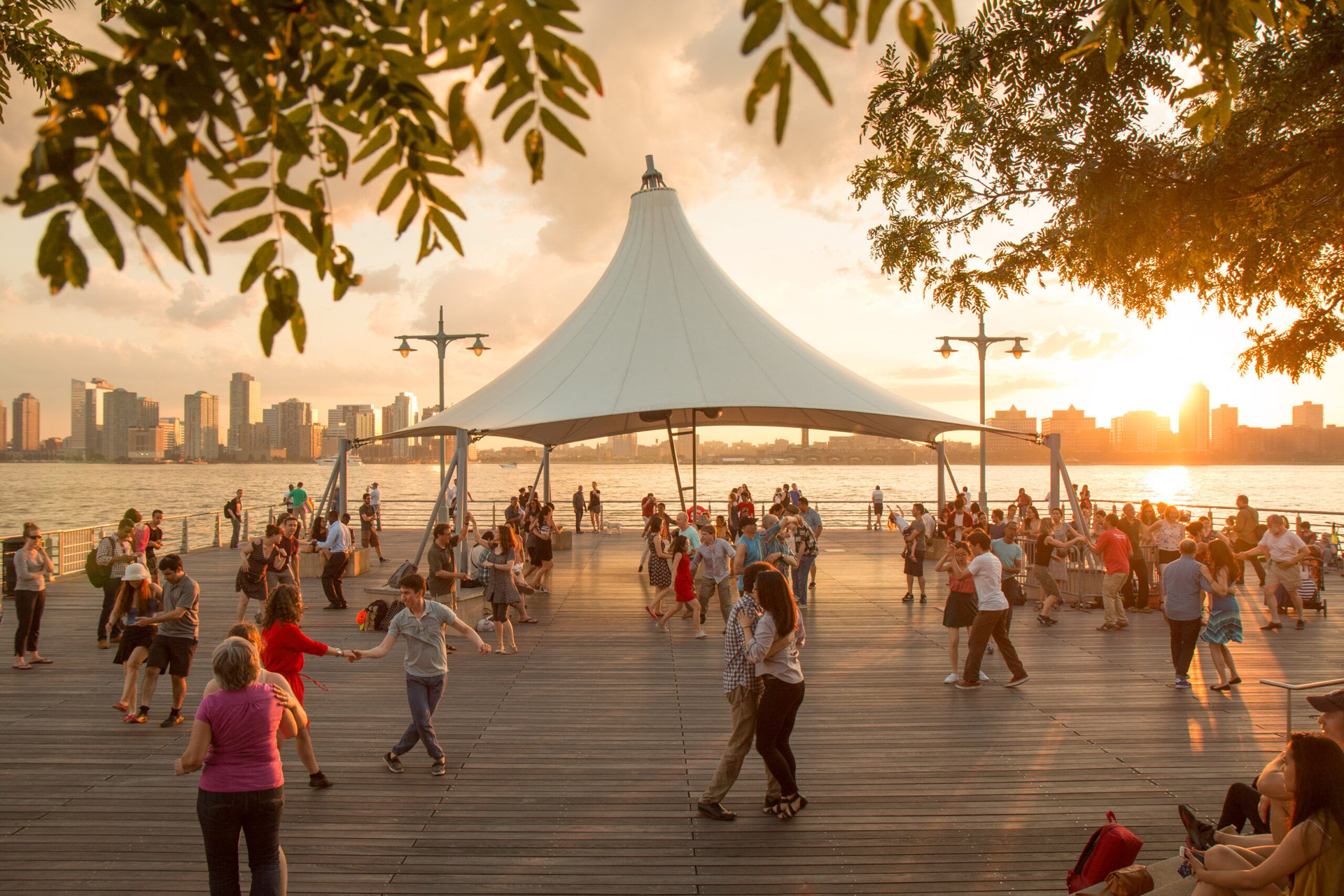
Custom tensile fabric structures, shade sails and textile facades for the parking, zoo, hospitality, sports, performing arts, transportation, parks and recreation industry.
Since 1985 • Nationwide Experience • Specialized Expertise
Fabric Structure Design + Build, Repair and Replacement Experts
One Source for Complex Exterior Fabric Projects
Fabric Architect specializes in custom fabric structures that combine function, protection, branding, and architectural impact.
We coordinate every stage of the project—from concept and engineering through fabrication and final installation—making the process efficient and dependable for owners, architects, contractors, and developers.
Services Include:
Design Consultation
Structural Engineering Coordination
Fabrication Management (Structure, fabric and hardware)
Permit Assistance
Installation Oversight
Fabric Replacement & Recovering
Repairs & Maintenance
Our Core Services
Fabric Architect focuses on providing shade and water protection solutions using durable Architectural fabrics
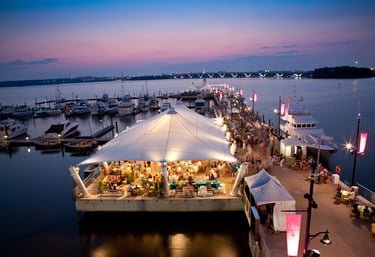
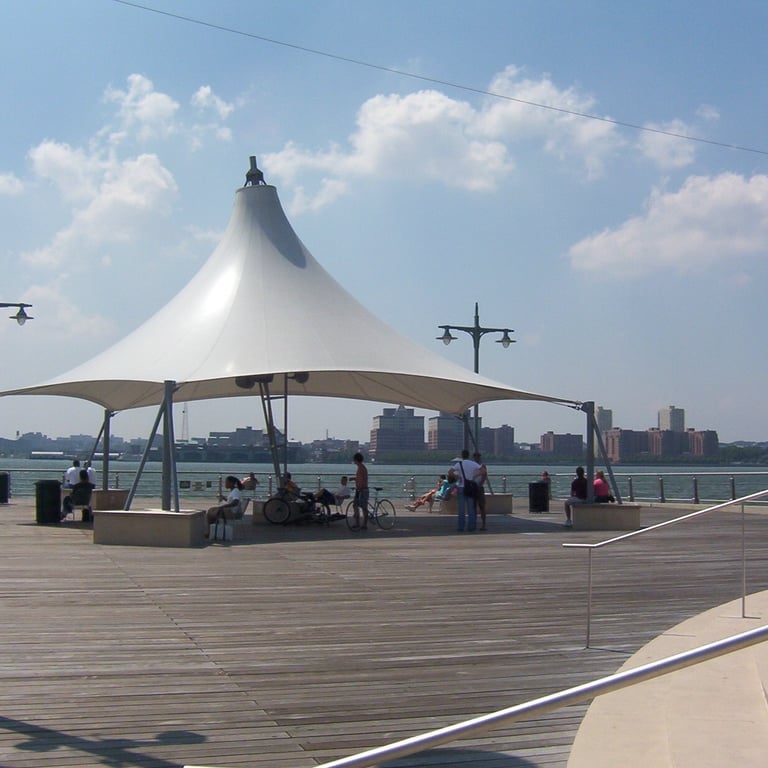
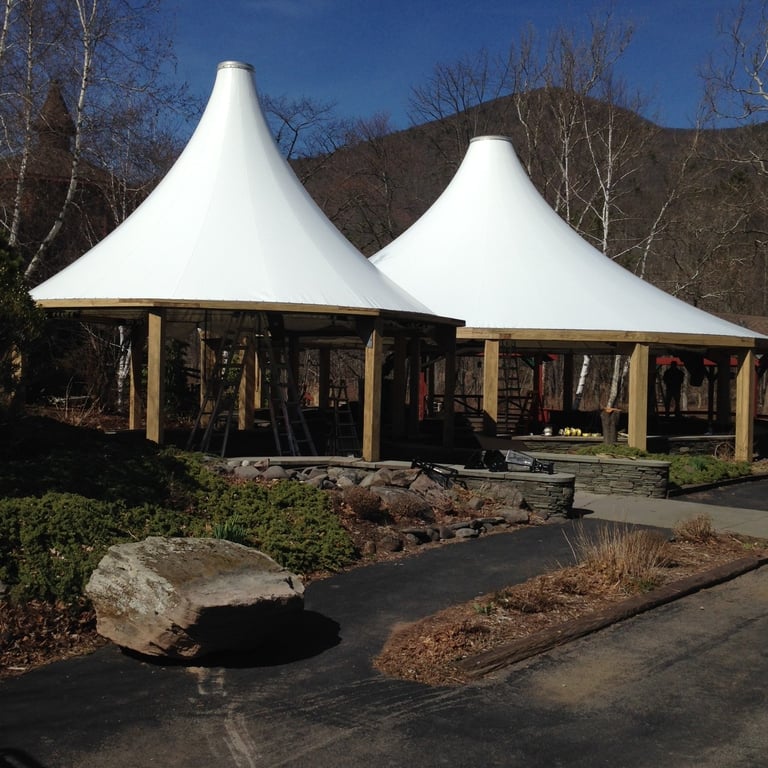
Tensile Structures
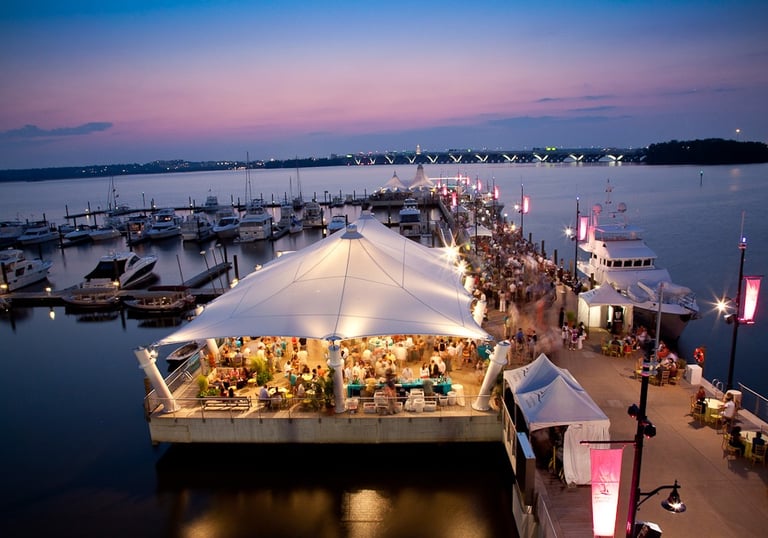
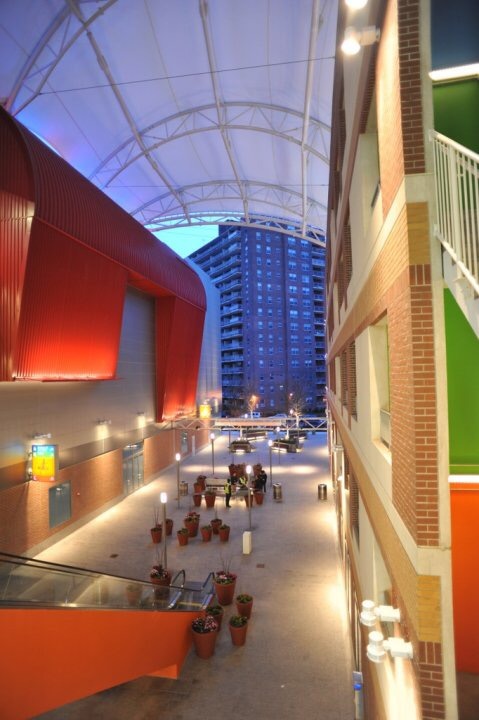
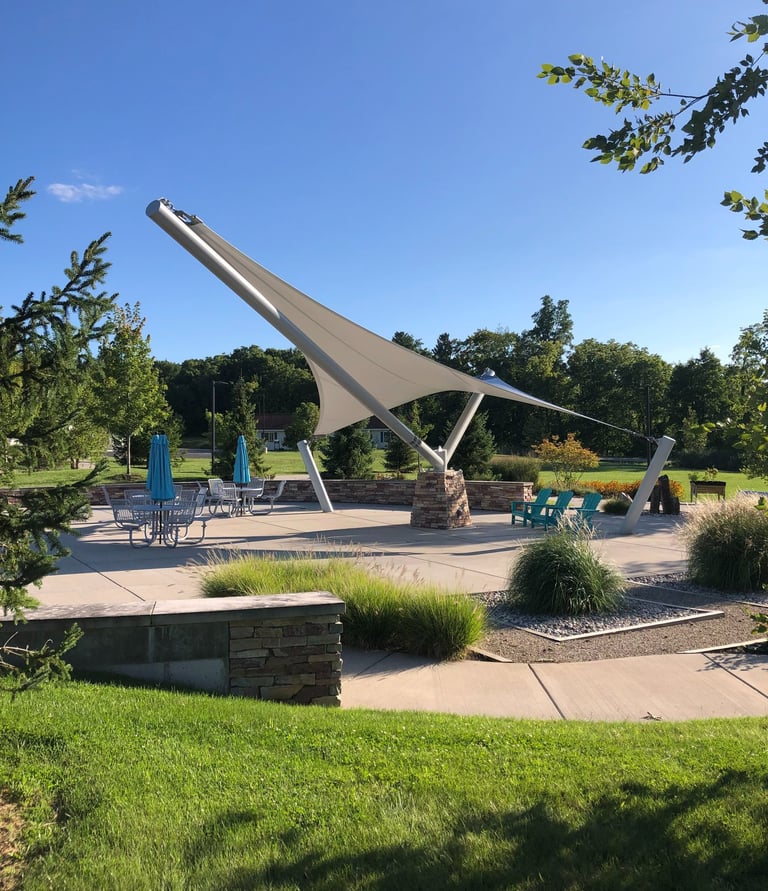
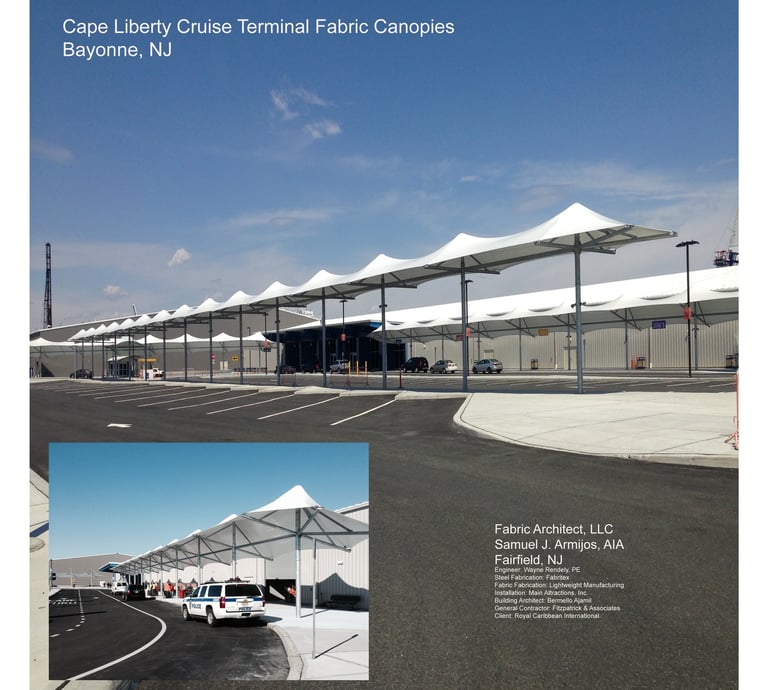
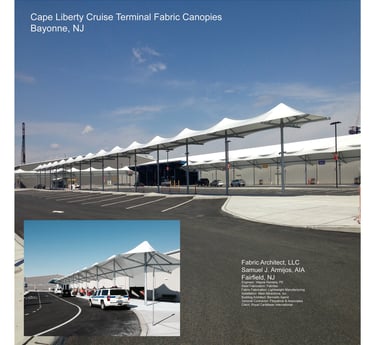
Custom tensioned canopies and architectural membrane systems for public spaces and commercial developments designed and engineered for weather protection and brand visibility.
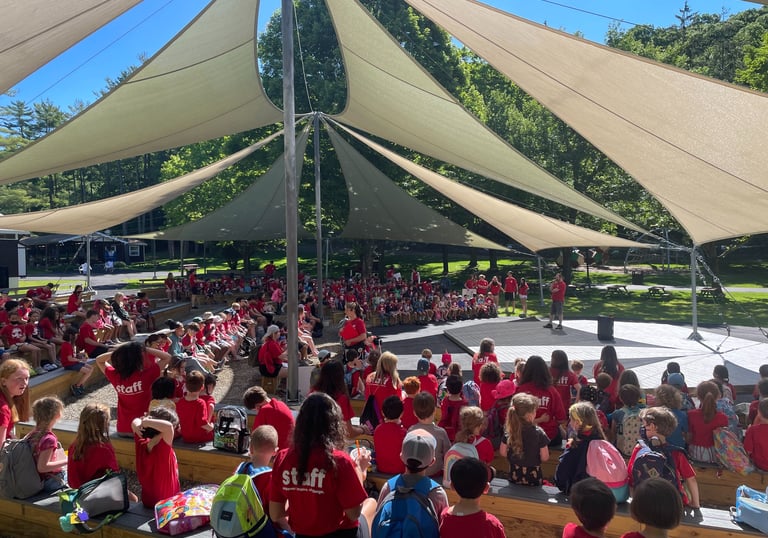
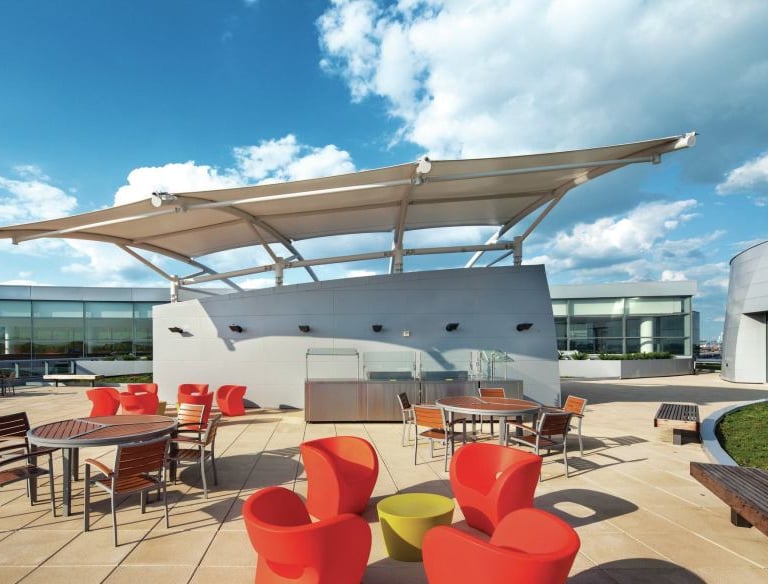
Shade Structures
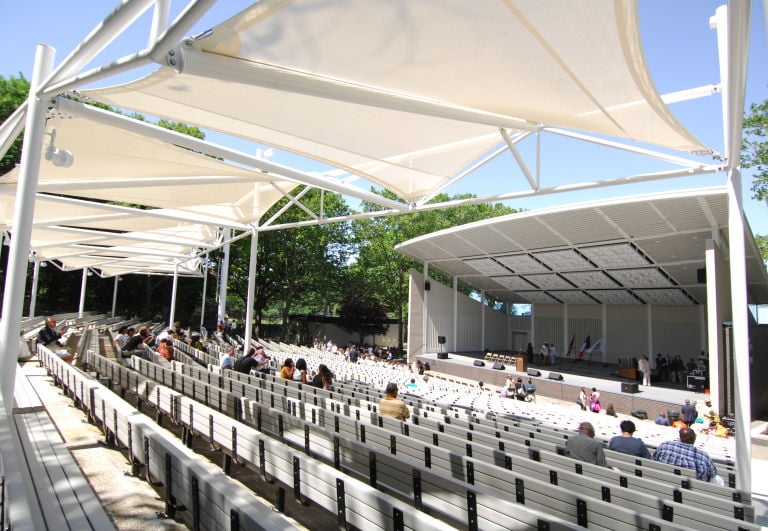
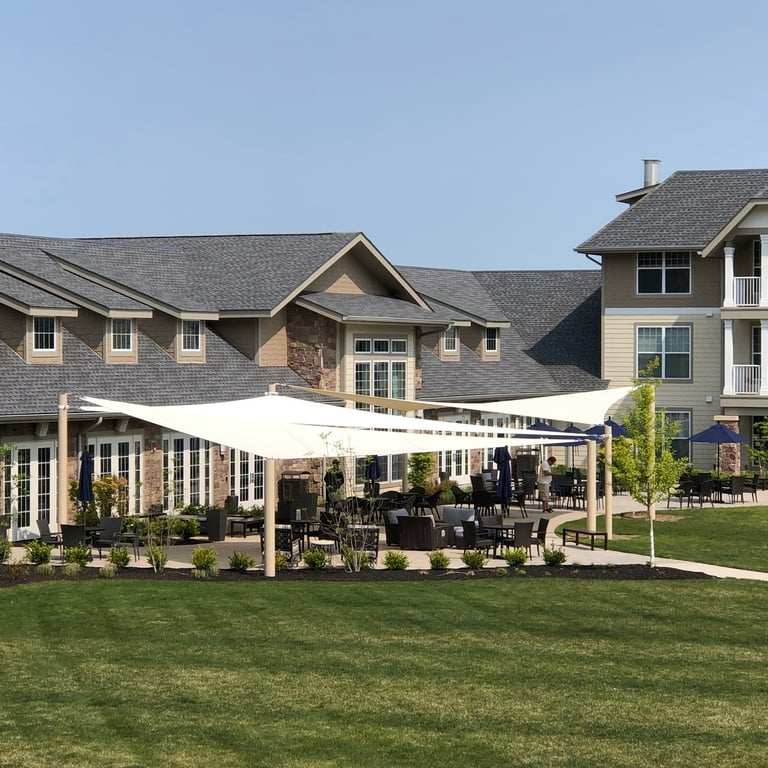
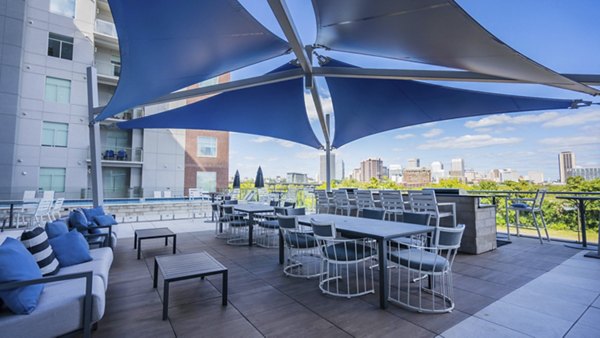
Custom long span shade systems using perforated architectural mesh designed and engineered to help maximize outdoor use for temporary events or year-round use.
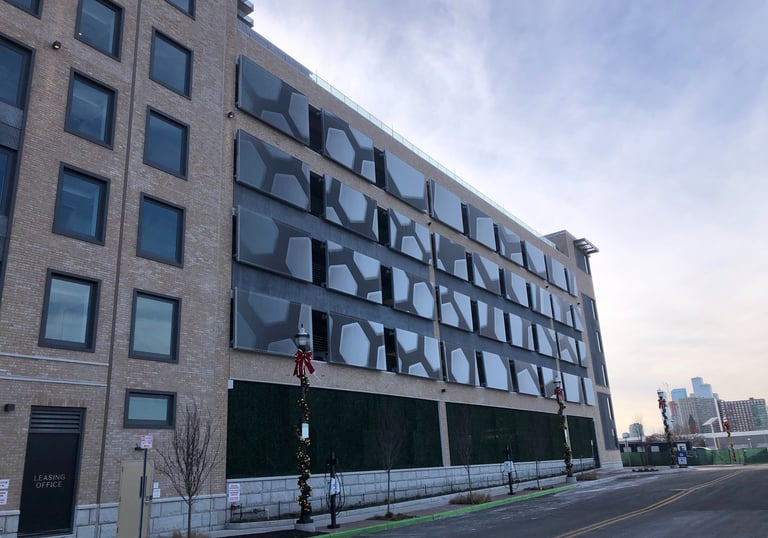
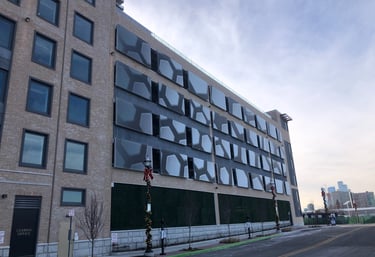
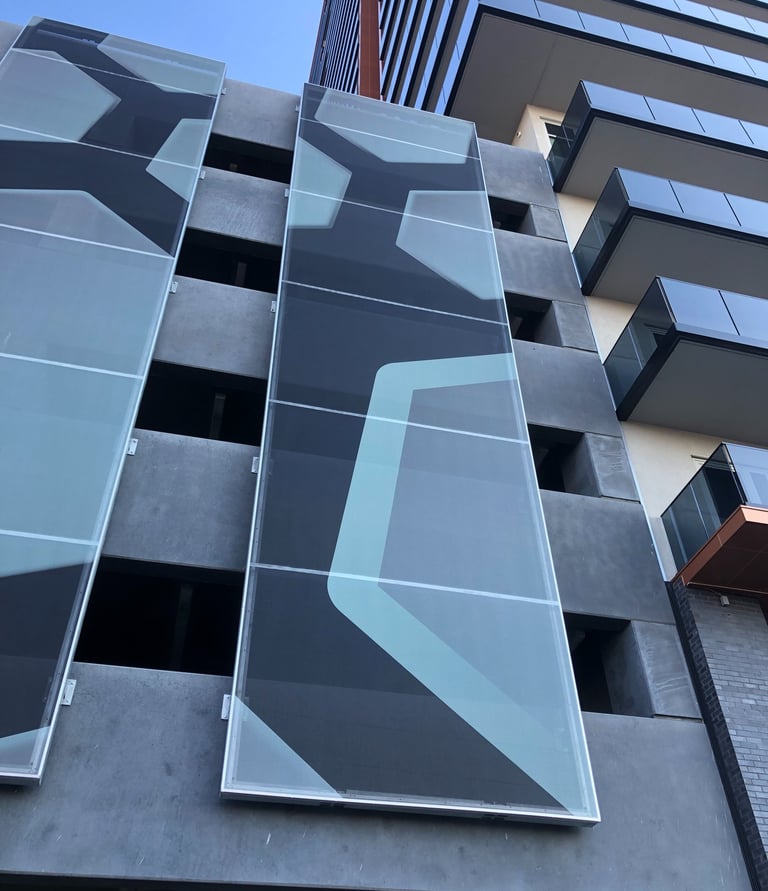
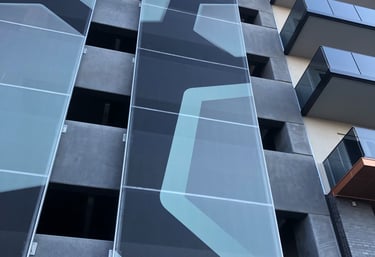
Custom screens or large format graphic images printed on architectural fabrics used vertically on buildings and parking garages for public and private developments.
Textile Facades
Project Gallery
Recent Projects
Why Choose Us?
40+ years of industry experience.
Turnkey project coordination from design to install.
Proven network for engineering, fabrication and installation.
Commercial-grade execution and scheduling discipline.
Focused exclusively on fabric-based architectural systems.
Architect owned and operated.
Ready to Start Your Project?
Whether you need a new custom structure, replacement fabric, or expert guidance for a specialty project, we’re ready to help.
Let's get in touch
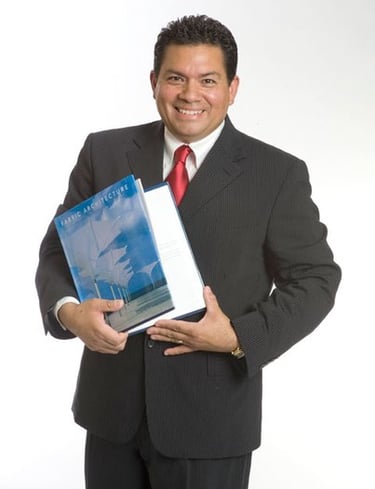
Sam Armijos, AIA
Sam Armijos, AIA is a Registered Architect and member of the American Institute of Architects (AIA) with experience in Sales, Marketing, Estimating, Project Management and Business Development.
Over 35 years of experience working with U.S., German, British and Australian manufacturers on getting special structures made of HDPE, PVC, PTFE and ETFE built here in the U.S. and abroad.
Presenter of AIA certified courses on lightweight structures at a number of Architectural firms and AIA conferences. Author of Fabric Architecture: A Visual Resource for Shade, Signage and Shelter.
Want the book? https://wwnorton.com/books/9780393732368

Fabric Architect, LLC
Fabric Structures • Textile Facades • Shade Sails • Recovers
973.244.5871
© 2026. All rights reserved.
Sam Armijos, AIA, President