MS.DSCN1768.jpg

Retailing Fabric Structures

Maximizing environmental and aesthetic opportunities with Fabric

By Samuel J. Armijos, AIA


Fabric Structures are providing the perfect solution to a new trend in Retail Architecture. “Lifestyle” centers and open air malls and designs which bring back memories of early Main Streets for shopping and entertaining are no longer on the drawing boards. They are being built in both old and new cities and fabric structures are finding themselves incorporated in these developments in all shapes and sizes.


It doesn’t hurt to review the past in order to see where Retail Architecture is heading but it appears to be going outdoors again.


Main Street” is a very common term to describe the way we shop. In the early 1900’s, nearly every town had a place called Main Street with a concentration of vendors and merchants. The common way to advertise and market ones goods was a sign on the window or an outdoor stand. The awning came in handy as an extension of “retailing” space and the new place to add signage. After World War I and with the increase use of the automobile, the shopping strip was born. It was typically a place with a large grocery store and specialty shops designed along an open covered corridor. The covered walkways were usually large fabric canopies or metal sheds.


In the 1970’s, the Malls took over as suburbanites idea of a city. Climate controlled environments with easy access and parking became the way people shopped. Developers spent their money on interior spaces, water features, seating and lighting to create their artificial Main Street. The same awnings used outdoors were being used indoors and new materials were arriving on the seen as well. Materials like spandex and nylons, primarily used in apparel, were being used because they were light in weight and did not need to support wind and snow loads. Vinyl coated polyester (PVC) and Teflon coated fiberglass (PTFE) were discovered by architects as a suitable material which provided a weatherproof and fire-resistant material. Fabric Structures first appeared in the early modern malls at food courts where all the restaurants and fast food chains were congregating under the “Big Top”.


Today, Architects and Developers are being asked to provide a place where one can shop, dine, relax, and be entertained. Malls are no longer just “machines for shopping”. The Modern day Mall now includes a cinema, post office, full service restaurants, theater, nightclub, gas station, hotel, office, and home, to name a few. Ironically, most of these amenities are not being included “inside” the mall but around the periphery.  Main Street is going outside again!


According to members of the ICSC, the International Council of Shopping Centers, Open air centers (OAC) and Lifestyle retailing is about life. “In Today’s society, outdoor living equates to enjoyment and retailers want to provide a better experience and quality of life.”


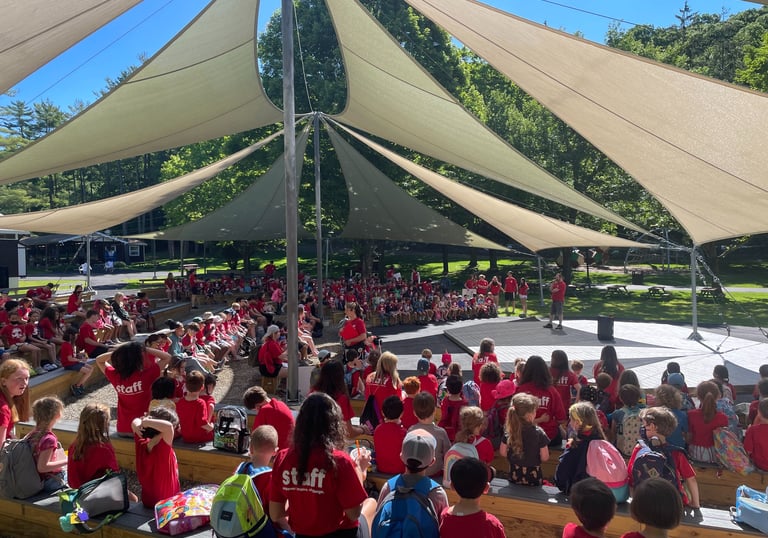
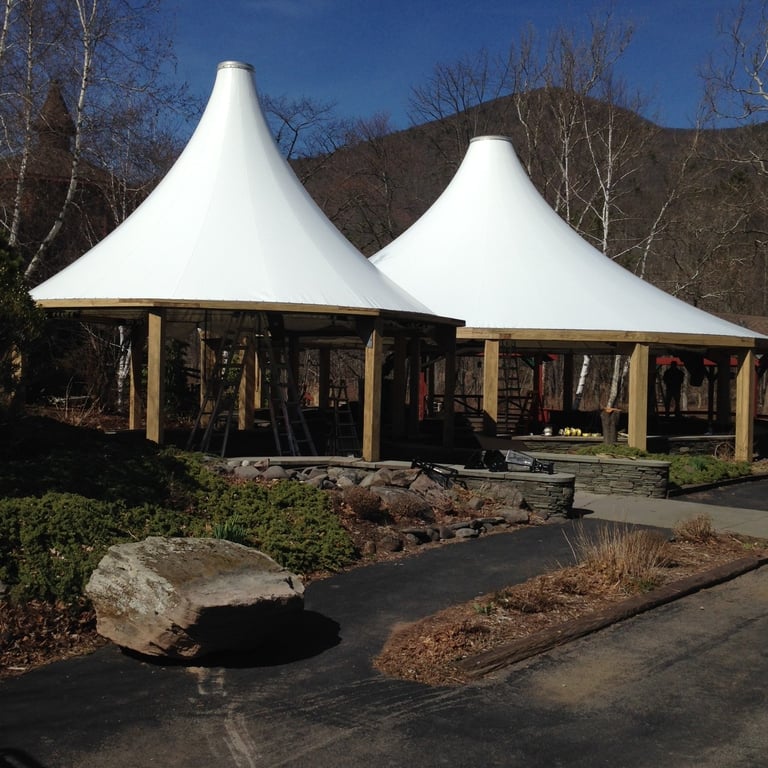
Given the desire for more outdoor retailing and public spaces, fabric structures are being inserted in many of these developments and the opportunities and potential for their use continues to grow. Fabric structures are not only designed for health and protective benefits, but maximize architectural and aesthetic opportunities. The soft, diffused light, the reduction in direct heat gain and the festive designs (not to mention they can be 20 % to 25% percent less than traditional roofing systems) are catching on.


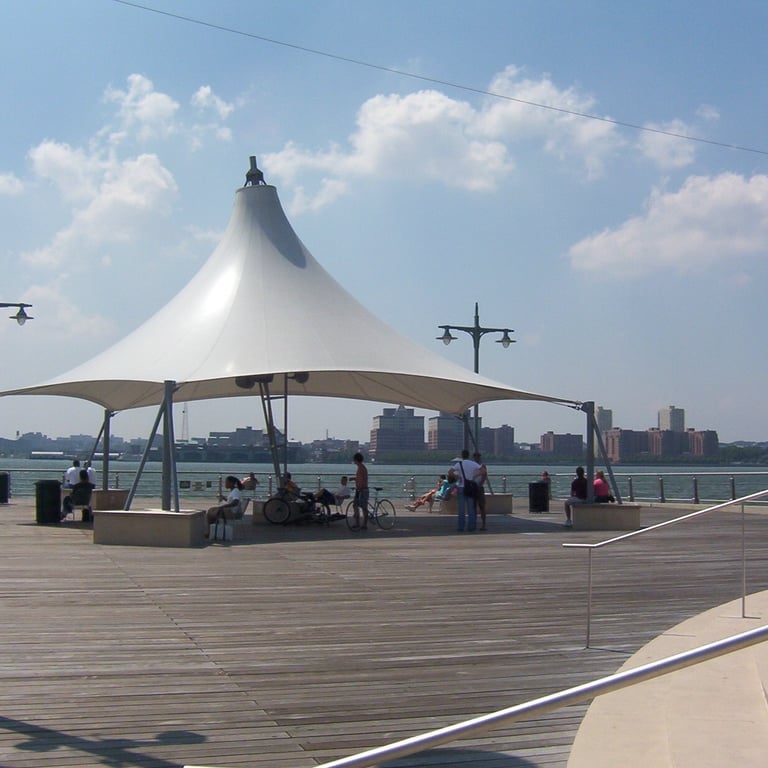
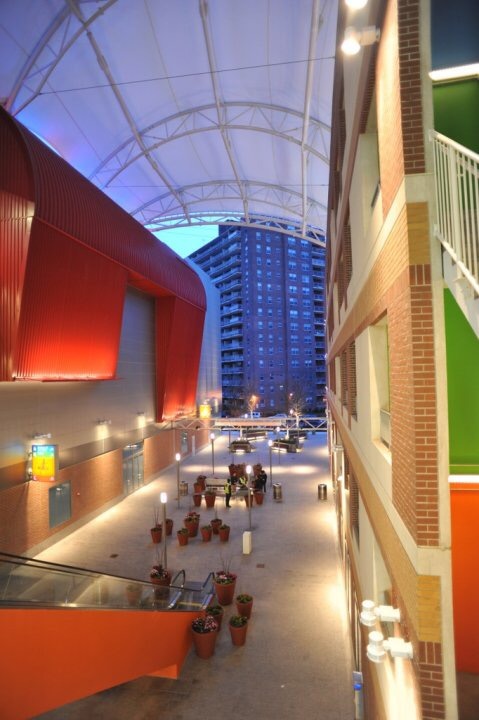
Awnings are used as signage to differentiate stores or to provide a consistent “theme”. Kiosks are found in front, inside and all over shopping centers as these canopy structures provide budding entrepreneurs with temporary, adaptable and affordable retail space. Some Architects continue to experiment with not only covering the food court but entire stores, courtyards and corridors as an alternative to glass skylights or traditional roofing.


Chelsea Properties, Developers of the Premium Outlet malls, have used architectural fabric structures as a major theme in two malls in the US and a third is on the drawing boards. The Las Vegas and Seattle Premium Outlets provide a fine example of all the materials and uses available for fabric structures in Retail Architecture. Large open corridors can be completely covered with a waterproof membrane of PTFE or PVC, while bus and shuttle stops are shaded with an shade cloth made of high density polyethylene (HDPE). Awnings made of high end laminates and acrylics are still a wonderful solution to classic awnings and canopies.


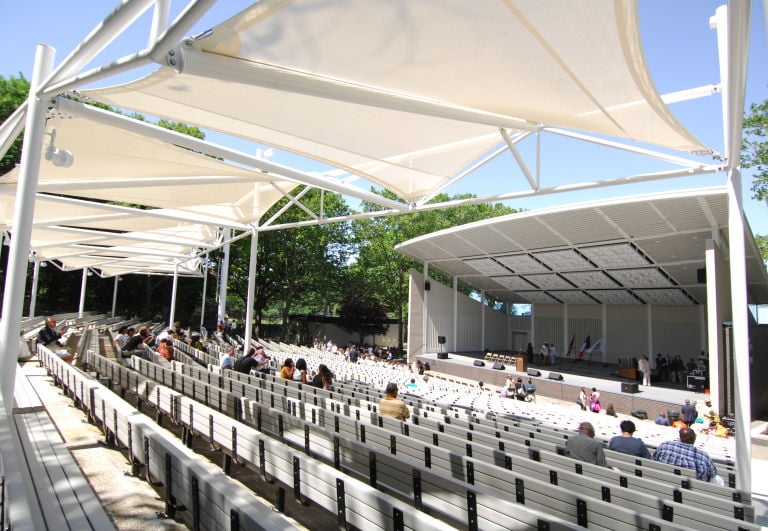
FabriTec Structures of Costa Mesa, CA is one of the leaders in using fabric structures in Retail. They can provide not only custom design/build services but are developing a line of ready to order systems. The potential is endless. The Developer, the Retailer and the buyers are all seeing the benefits. Human comfort, whether in the form of shelter or convenience, is no longer an option. People expect to have covered parking, outdoor dining shade and protection from inclement weather. All while enjoying the great outdoors! Stadium and arena concerts are being replaced with smaller venues and custom band shells. It only a matter of time before wedding bells and  Midnight Mass is performed under a custom fabric pavilion at a shopping mall near you.


Fabrics role in Retail:


The Valet:

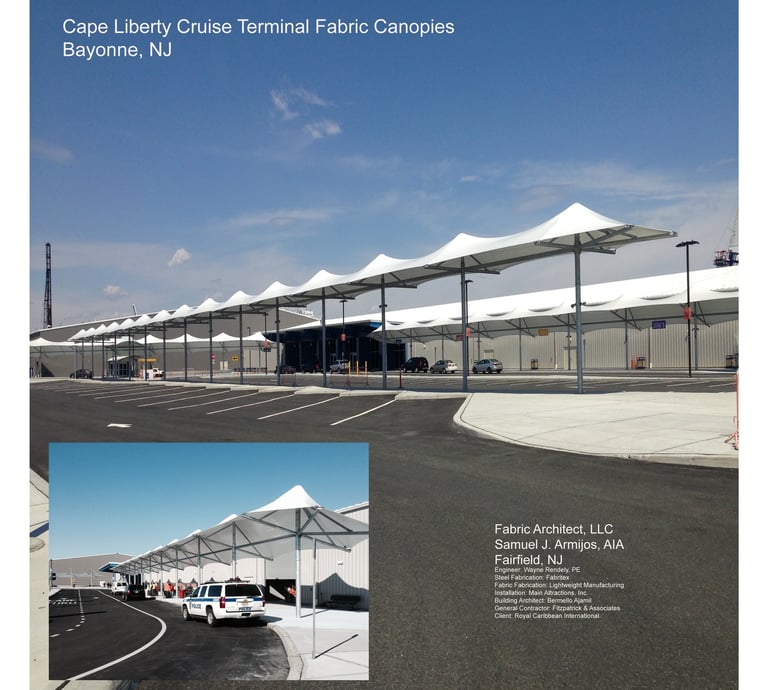
More malls are seeing an increase in valet parking. People are willing to pay extra for the convenience of dropping off their car at the front of the mall and leaving it for someone else to park. When they leave the mall with all their toys, their car is ready. Fabric Structures are ideal as a “Porte Cochere”. It can be made to cover one or multiple cars. Cars are usually parked in designated uncovered areas or can be covered by fabric structures made specifically for shade or water protection.


The Self Parker

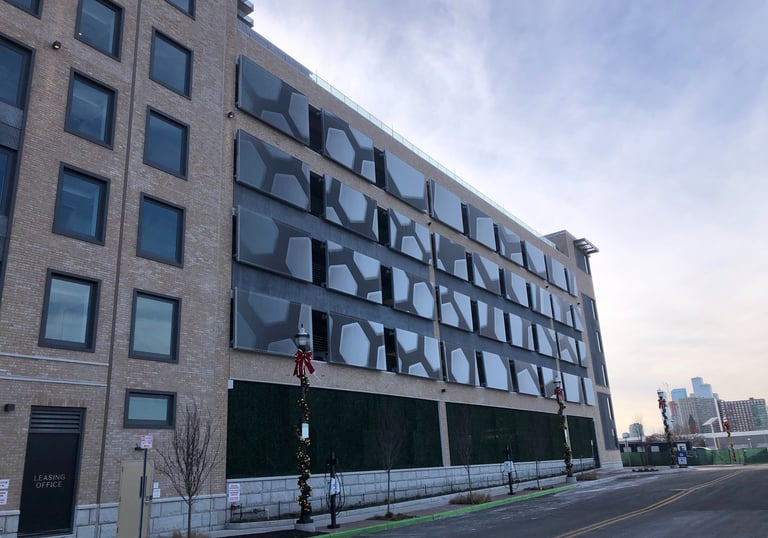
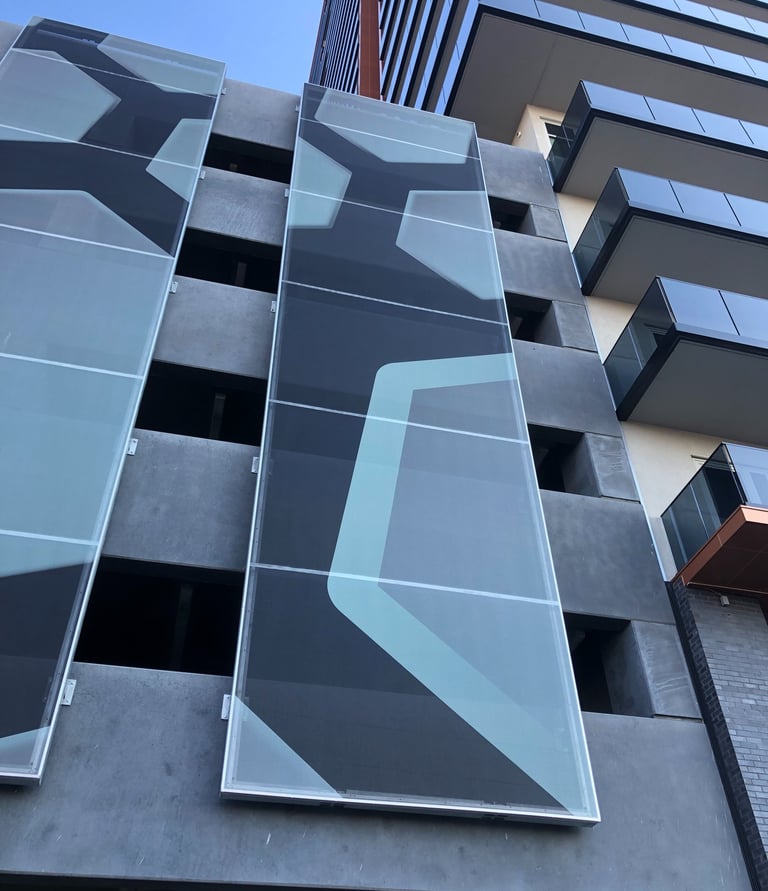
As more and more automobiles come to the mall, there is more need for parking. These tarmac fields have little landscape or are being replaced by multi-level garages. Fabric structures are not only being used to create single level shaded parking areas but covered rooftop and vertical screens for these structures. The structures not only provide shade and signage opportunities but have some hidden bonuses. Shade structures attract attention to the site and increase the marketability of the building and give the property a great return on the investment. Shade Structures, Inc of Costa Mesa and Sun Ports International, Inc. of  Dallas, TX have taken the lad on this need and offer developers rooftop parking shade systems which can easily work within an existing parking structure or be incorporated into a new facility.


The Entry

There is nothing more important to Retail than making a great first impression. Developers and Retailers are both looking to make a statement and differentiate themselves from their neighbor or competitor. Fabric structures rarely are seen as “the same one down the block” or “just like the one down the road”. They can be seen from near or far and can look different from day or night. The sky’s the limit and Architects are seeing that potential. The Mills Corp’s Xanadau in Madrid is just an example of what you can do at the entry.


The Super Umbrella

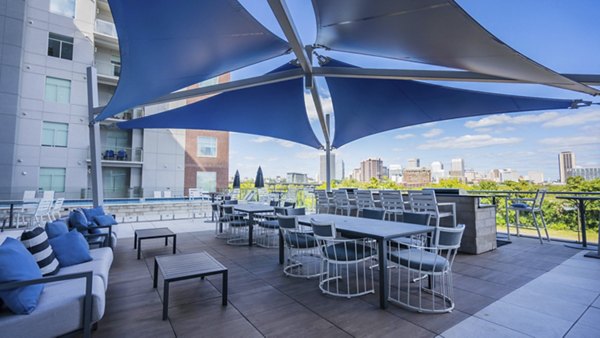
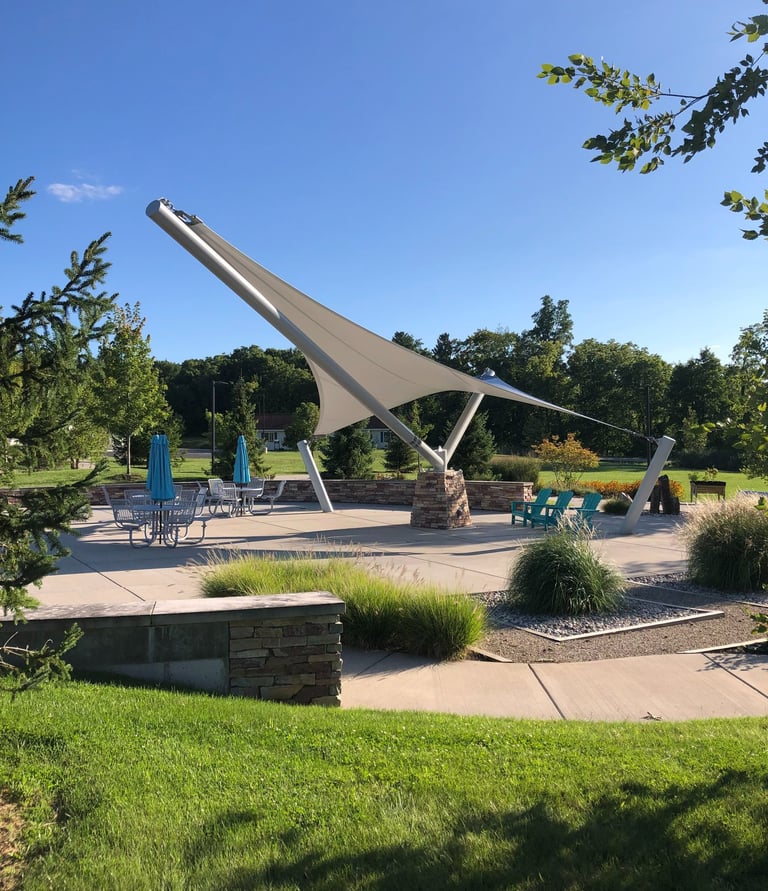
Umbrellas are the most recognizable fabric structure in Retail and they are coming in more shapes, sizes and colors. The simple 8’ market umbrella is being replaced by umbrellas with “hypar” style shapes, longer spans and cantilever models. These structures are custom built for code and look good by themselves or in groups.


The Dining Canopy

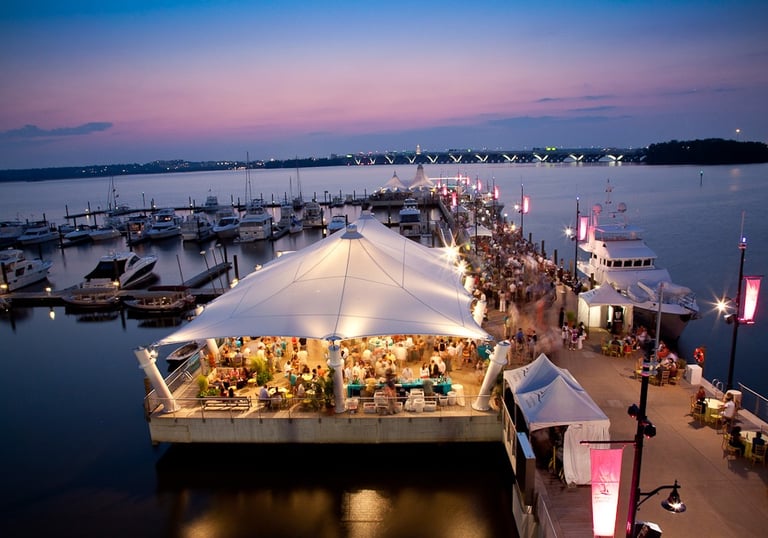
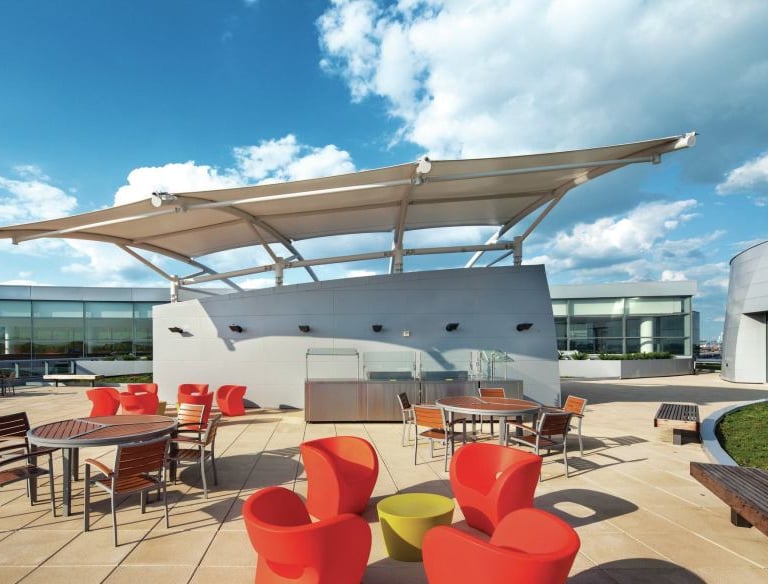
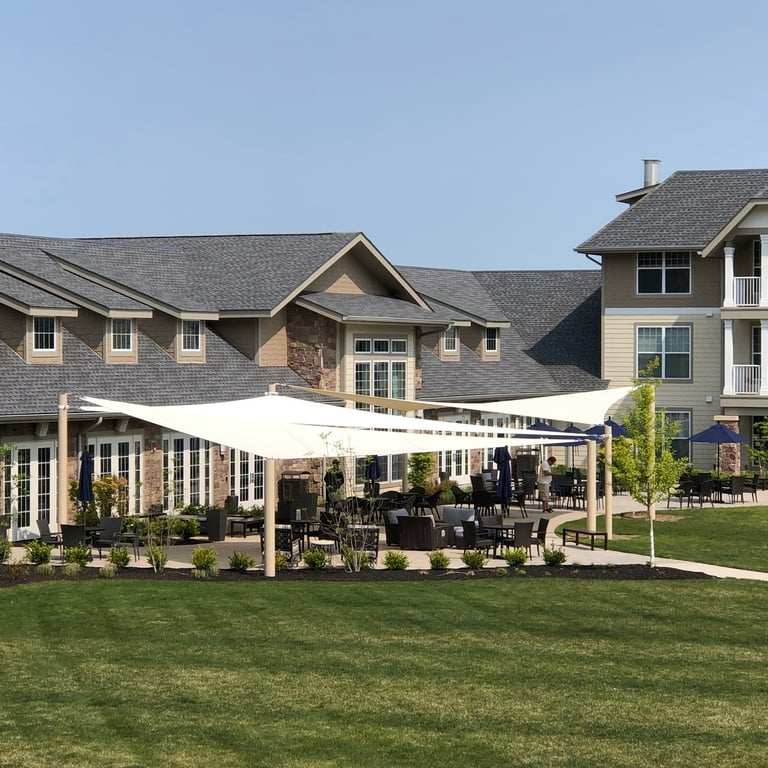
The traditional umbrella and retractable awning are standards in outdoor dining furniture. However, custom and modular fabric structures are finding their niche in the market. These structures reduce the amount of columns one sees with umbrellas. They are structurally more stable than retractable awnings and they are quite adaptable to many sites. Outdoor dining canopies can increase the size of usable eating space which brings in more money and there is no argument from both owners and patrons that there is something about dining “alfresco”.


The Benefits

At the end of the day, it’s still all about money and a return on investment.


The Developer is seeing the savings in construction cost. Reducing electrical cost by eliminating a climate controlled facility and getting natural daylight is a plus for them. They can put the money elsewhere like finishes and signage. The digital printing and lightning industry is creating an entire new opportunity for fabric structures in Retail. Textile facades and “super” awnings are the new faces for malls.


The Retailer is getting a fresh look and new opportunities for growth. They are expanding their space to include the outside and cafes and bookstores and live music are invading the traditional apparel stores. Fabric Structures can provide visual screens, simple shade and festive ceiling treatments.


Buyers are the most demanding. No longer is the buyer just a consumer. Buyers want to participate, see and be seen and retail establishment need to “look good” and satisfy their needs. A typical day at the new mall can include coffee, exercise, shop, work, spa, lunch, show, dine, dance and sleep. The new Lifestyle Center is hoping to make one’s dream come true.


Fabric structures are not only yesterday’s awnings nor Today’s festive marques. They are Tomorrows basic necessities to improving the quality of life.

Home    Step 1    Step 2    Step 3    Step 4    Step 5    Contact Me    News    Links    My Book    Featured Article    Español